VW Performance Sedan for Performance Builds
Harnessing the Potential: A Comprehensive Guide to VR6 Jetta Engine Performance
The VR6 engine stands as a unique fusion of compact design and robust performance. Its unique engineering attracts both enthusiasts and everyday drivers. With numerous aftermarket upgrades available, a growing number of owners aim to enhance their vehicle's capabilities. Familiarizing oneself with critical tuning practices and typical maintenance challenges can significantly influence durability and output. As the conversation progresses, the many pathways to maximizing the VR6's capabilities will grow ever more apparent.
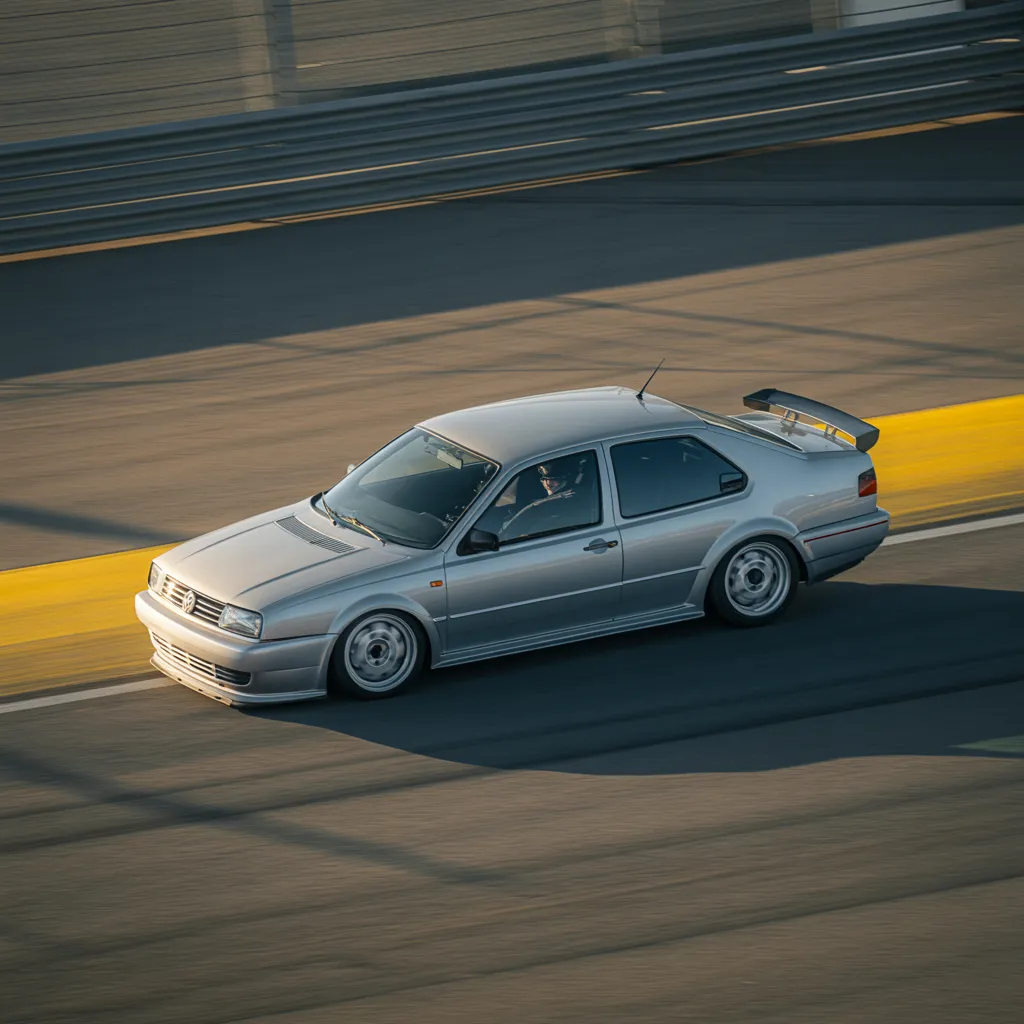
The Remarkable Engineering of the VR6 Engine
The VR6 engine distinguishes itself in the field of automotive engineering due to its groundbreaking design that integrates the qualities of both V-type and inline layouts. This unique layout permits the VR6 to remain compact while producing impressive performance. The engine utilizes a narrow V-angle configuration, which allows for a shorter engine length compared to traditional V engines. This compact design enables more straightforward integration in a range of vehicle platforms, particularly in the Jetta.
Additionally, the VR6 employs a unified cylinder head, optimizing the design and decreasing overall weight. Its design results in fluid operation and negligible vibration, enhancing overall driving comfort. The engine typically employs a distinctive firing sequence that creates its unique acoustic signature, appealing to enthusiasts. Ultimately, the VR6 engine represents creative engineering, striking a balance between performance, efficiency, and space-saving designs, establishing it as an exceptional selection for a wide range of automotive applications.
Reasons to Upgrade Your VR6 Jetta
Improving a VR6 Jetta can considerably improve both handling and performance characteristics. Owners often look for enhancements in torque, horsepower, and driving dynamics. The VR6 engine, known for its unique design and smooth operation, provides a strong foundation for such enhancements. Upgrades can lead to significant improvements in torque and horsepower, leading to quicker acceleration and a more exhilarating ride.
Furthermore, modifications can improve the car's handling and performance, resulting in a more pleasurable driving experience in a wide range of driving situations. A properly tuned VR6 Jetta can further achieve better fuel efficiency, encouraging a equilibrium between efficiency and capability.
Moreover, enhancing elements such as the suspension, brakes, and exhaust system can elevate the vehicle's handling qualities, guaranteeing a more rewarding driving experience. Ultimately, these improvements not only boost driving performance but also raise the vehicle's appeal and value to current owners and future buyers, making these improvements a valuable investment.
Top Aftermarket Modifications for VR6 Power
Boosting VR6 output frequently starts with carefully chosen aftermarket improvements that maximize performance. Among the most effective upgrades is a increased-flow intake system, which enables increased airflow, boosting combustion efficiency. Complemented by a upgraded exhaust system, this setup not only increases power but also generates a more powerful sound.
A further widely recognized enhancement is the fitting of a performance chip or ECU remap, which fine-tunes engine parameters for better horsepower and torque. Improving the ignition system using high-performance coils and spark plugs can also deliver notable improvements, guaranteeing optimal combustion.
For those looking to improve handling alongside power, advanced suspension upgrades, including coilovers and sway bars, are a must. Finally, lightweight wheels reduce unsprung weight, boosting acceleration and stopping power. Together, these key mods create a balanced method of unleashing the genuine capabilities of the VR6 engine.
Critical Performance Strategies for Enhancing VR6 Motor Power
Tuning the VR6 engine demands a methodical approach to realize its full performance capabilities. Key techniques include improving the fuel mixture through recalibrating the ECU, which improves throttle response and overall power output. Upgrading the intake and exhaust systems can greatly enhance airflow, enabling the engine to operate more efficiently and deliver greater performance at higher RPMs.
Incorporating a tuning chip can calibrate the ignition timing and fuel distribution, enhancing horsepower and efficiency. Additionally, periodic inspection of components including ignition coils and spark plugs ensures that the motor performs optimally, preventing performance degradation.
Investing in a premium intercooler is vital for anyone seeking to boost forced induction setups, as it helps maintain optimal intake temperatures. Furthermore, utilizing a dyno for precise tuning allows for real-time corrections, assuring that the engine operates at its best across diverse driving conditions. These critical techniques combine to elevate the VR6's overall performance.
Addressing Common Issues in VR6 Engines
Within VR6 engines, timing chain tensioner problems and intake manifold issues are among the most frequently encountered concerns. These problems can lead to significant performance degradation and potential engine damage if not addressed promptly. Grasping the underlying causes and effective solutions is vital for sustaining maximum engine functionality.
Timing Chain Tensioner Issues
Timing chain tensioner issues commonly occur in VR6 engines, resulting in potential performance issues and costly repairs. These issues often stem from degradation or breakdown of the tensioner, which can result in inadequate chain tension. A deteriorating tensioner may cause the timing chain to shake or emit strange sounds, indicating that the chain may not be adequately seated. If left untreated, this can lead to significant engine deterioration, including warped valves or catastrophic engine failure. Routine checkups and prompt pertinent information replacements of the timing chain tensioner can help reduce these dangers. Those who own VR6 engines should remain watchful for signs of tensioner issues to secure maximum performance and lifespan of their vehicles.
Intake Manifold Problems
Intake manifold issues can considerably impact the power and efficiency of VR6 engines. Typical issues involve vacuum leaks, which can result in erratic idling and decreased fuel efficiency. Moreover, the design of the intake manifold can generate inconsistent airflow patterns, leading to reduced power and poor engine performance. Over time, carbon buildup can further restrict airflow, progressively worsening engine efficiency. Routine inspections are critical to recognize these concerns in a timely manner. Replacing damaged or degraded components can restore peak performance. Furthermore, switching to aftermarket intake manifolds may improve airflow and boost horsepower. Tackling these issues ensures that the VR6 engine operates smoothly, preserving its standing as a powerful and dependable engine.
Essential Maintenance Tips for Your VR6
Maintaining a VR6 engine necessitates careful consideration of various essential parts to ensure peak performance and longevity. Regular oil changes are essential, with synthetic oil advised to endure the engine's operational stress. Monitoring coolant levels and verifying that the cooling system has no leaks will guard against overheating, a common issue in VR6 engines.
Moreover, the timing chain and tensioner should be inspected periodically, as malfunctions may result in serious damage to the engine. Replacing the air filter regularly promotes peak airflow and operational efficiency.
Checking the spark plugs and ignition coils is vital for sustaining optimal combustion efficiency. Tire pressure and alignment should not be neglected, as these factors also influence the performance of the engine.
In addition, using a reliable fuel additive can help clean fuel injectors and improve overall efficiency. By following these preventative maintenance tips, VR6 engine owners can maximize their engine's performance while reducing unexpected problems.
Comparing VR6 Performance With Other Engine Types
While many engine types offer distinct advantages, the VR6 sets itself apart for its remarkable combination of strength and streamlined configuration. The VR6 design delivers a impressive power band, producing remarkable torque and horsepower, which elevates driver engagement in the Jetta. When compared to inline-four engines, the VR6 commonly delivers greater acceleration refinement and a more engaging sound, appealing to driving enthusiasts.
Unlike conventional V6 engines, the VR6's slimmer profile allows for greater versatility in automotive layouts, contributing to enhanced handling performance. Turbocharged engines, while often yielding higher peak power, often lack the smooth power delivery associated with the VR6, which proves more satisfying in routine driving conditions.
Ultimately, the VR6 engine maintains a middle ground between capability and efficiency, making it a strong selection for drivers looking for a engaging driving experience without sacrificing packaging and design effectiveness.
Questions We Often Receive
What Is the Story Behind the History of the VR6 Engine Design?
The VR6 engine concept originated in the late 1980s, introduced by Volkswagen. It merged the advantages of a V6 and inline engine, ensuring compact dimensions while preserving smooth operation and impressive performance for a range of models.
How Does the VR6 Engine Measure Up to Turbocharged Engines?
The VR6 engine offers a remarkable combination of strength and fluidity, typically delivering a more consistent power delivery as opposed to turbocharged engines, which commonly provide power in sudden spurts, producing a distinct driving character.
What Is the Average Lifespan of a VR6 Engine?
The expected lifespan of a VR6 engine commonly sits between 150,000 and 200,000 miles, based on maintenance and driving conditions. Adequate servicing can greatly extend its lifespan and general performance reliability.
Do VR6 Engines Have Any Specific Oil Recommendations?
VR6 engines generally perform best with top-grade synthetic lubricants, particularly those with a viscosity rating of 0W-40 or 5W-40. Regular oil changes and adhering to manufacturer specifications guarantee peak performance and longevity for these engines.
Which Fuel Types Are Best for Enhancing VR6 Performance?
In order to optimize VR6 power output, premium unleaded gasoline with an octane level of 91 or higher is advised. This grade of fuel improves combustion performance, improving power output and overall engine responsiveness, essential for performance-oriented driving.